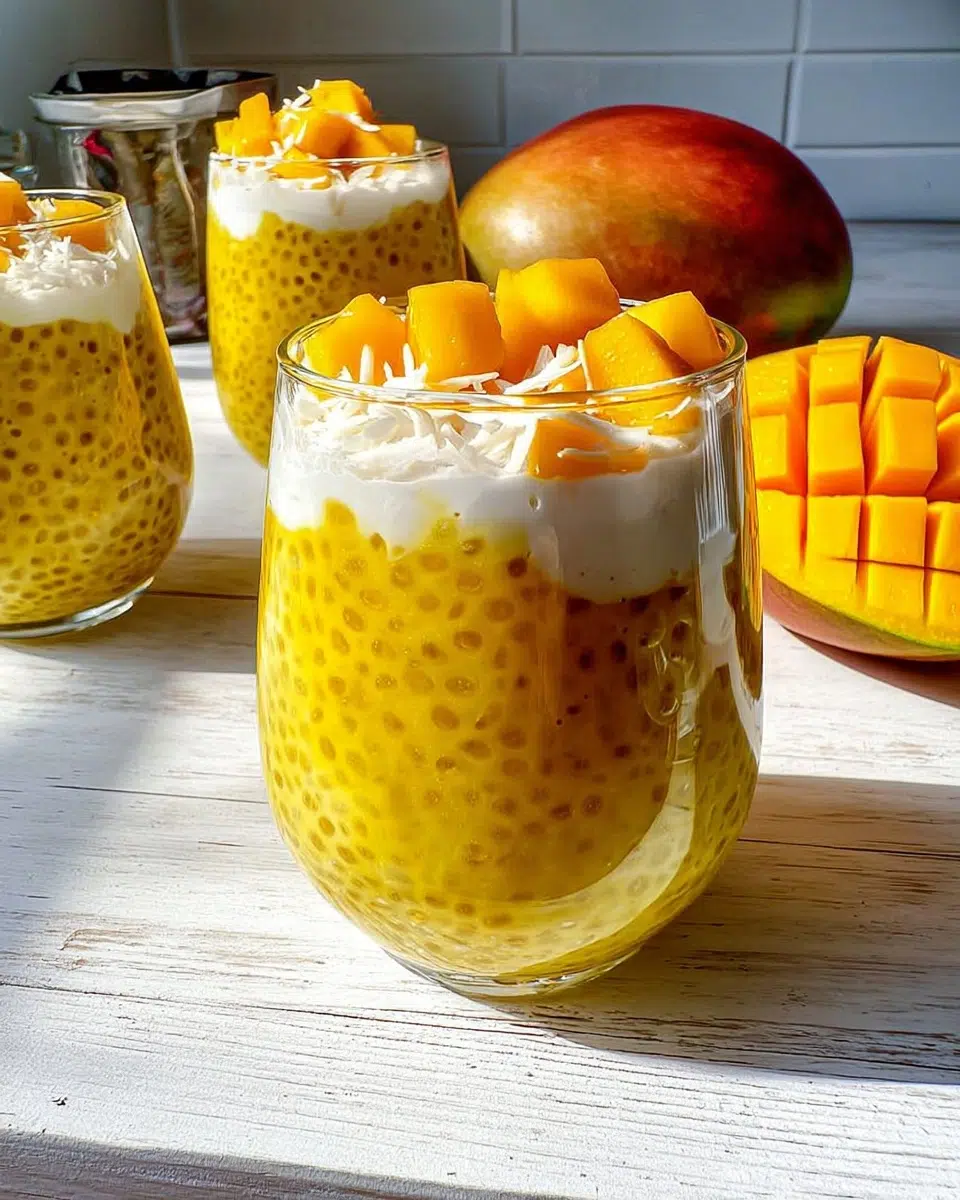
Mango Sago transforms ordinary summer afternoons into extraordinary tropical escapes with just one spoonful. Picture this: you’re sitting on your porch after a scorching day, the sun finally setting, and you dive into a bowl of silky, pearl-studded paradise that instantly transports you to a beachside café in Thailand. This beloved Asian dessert has captured hearts worldwide with its perfect marriage of sweet, juicy mangoes and chewy tapioca pearls swimming in rich coconut milk.
There’s something magical about how this creamy mango sago dessert brings people together. Whether you’re hosting a summer barbecue, planning a dinner party, or simply craving something refreshing after a long day, these mango tapioca pudding variations never fail to impress. The beauty lies in its simplicity – a handful of ingredients creating layers of texture and tropical flavors that dance on your palate.
Today, we’re diving deep into five incredible summer mango sago ideas that will revolutionize your dessert game. From classic preparations to innovative twists, these easy mango sago tips will help you master this tropical mango dessert recipe like a pro.
Why You’ll Love This Recipe
Last summer, I served this creamy mango sago dessert at my sister’s birthday party, and the reaction was priceless. Guests who had never heard of sago before were asking for seconds, then thirds, completely enchanted by the unique texture of those tiny, translucent pearls. The combination of velvety coconut milk, sweet condensed milk, and fresh mango chunks creates a symphony of flavors that’s both exotic and comforting.
What makes these mango sago variations truly special is their versatility. You can prepare them hours ahead, making them perfect for entertaining, or whip up a quick version when unexpected guests arrive. The dessert strikes that perfect balance between indulgent and refreshing – creamy enough to satisfy your sweet tooth, yet light enough to end even the heaviest summer meal on the perfect note.
Explore more quick & easy lunch ideas here to complement your tropical dessert spread!
Ingredients List
Here’s everything you need to create these heavenly tropical mango dessert recipes:
| Ingredient | Amount | Notes |
|---|---|---|
| Small tapioca pearls (sago) | 1 cup | Look for small, round pearls |
| Water | 6 cups | For cooking the sago |
| Ripe mangoes | 1.5 | Choose fragrant, soft mangoes |
| Condensed milk | 1/4 cup | See recipe notes for variations |
| Coconut milk | 1 cup | Full-fat for best creaminess |
| Coconut flakes | Optional | For garnish and extra texture |
The magic happens when these simple ingredients come together to create multiple mango sago recipe variations that will become your go-to summer treats.
Find more refreshing breakfast ideas here to start your mornings with tropical flair!
Step-by-Step Directions
Creating the perfect Mango Sago is easier than you might think. Start by bringing 6 cups of water to a rolling boil in a large pot. Add the tapioca pearls gradually while stirring to prevent them from sticking together. Cook for 15-20 minutes until the pearls become translucent with just a small white dot in the center.
While the sago cooks, prepare your mangoes by peeling and cutting them into small cubes. Reserve about half for mixing into the dessert and the other half for garnishing. In a separate bowl, combine the coconut milk and condensed milk, whisking until smooth and well incorporated.
Once the sago pearls are cooked, drain them and rinse with cold water until they’re completely cool. This step is crucial for achieving the perfect chewy texture. Gently fold the cooled sago pearls with the coconut milk mixture, then add the diced mango pieces. Chill in the refrigerator for at least 2 hours before serving to allow all flavors to meld beautifully.

Exact Timing to make Mango Sago
The total preparation time for this delightful Mango Sago dessert is approximately 45 minutes of active cooking, plus 2 hours of chilling time. Cook the sago pearls for 15-20 minutes, followed by 5 minutes of cooling and rinsing. Mango preparation takes about 10 minutes, while mixing all ingredients requires another 5 minutes. The crucial chilling period of 2 hours ensures the perfect texture and allows the tropical flavors to develop fully.
Nutritional Information
Here’s the comprehensive nutritional breakdown for one serving of Mango Sago:
| Nutrient | Per Serving (1/2 cup) | % Daily Value |
|---|---|---|
| Calories | 185 | 9% |
| Total Fat | 8.2g | 13% |
| Saturated Fat | 7.1g | 35% |
| Cholesterol | 5mg | 2% |
| Sodium | 15mg | 1% |
| Total Carbohydrates | 28g | 9% |
| Dietary Fiber | 1.8g | 7% |
| Total Sugars | 24g | – |
| Protein | 2.1g | 4% |
| Vitamin C | 28mg | 31% |
| Vitamin A | 540 IU | 11% |
| Calcium | 45mg | 5% |
| Iron | 0.8mg | 4% |
The high vitamin C content comes primarily from fresh mangoes, while coconut milk provides healthy medium-chain triglycerides. Each serving delivers natural energy from fruit sugars and complex carbohydrates from tapioca pearls.
Healthier Alternatives
Transform your Mango Sago into a more nutritious treat with these smart ingredient swaps:
| Original Ingredient | Healthier Alternative | Benefits |
|---|---|---|
| Full-fat coconut milk | Light coconut milk or coconut cream mixed with almond milk | Reduces calories by 40% while maintaining creaminess |
| Condensed milk | Greek yogurt sweetened with honey | Adds protein and probiotics, cuts sugar content |
| Regular tapioca pearls | Chia seeds or small pearl barley | Increases fiber and omega-3 fatty acids |
| Added sugar | Stevia or monk fruit sweetener | Zero-calorie natural sweetening options |
| White tapioca | Black tapioca pearls | Higher antioxidant content and visual appeal |
| Single mango variety | Mixed tropical fruits (papaya, dragon fruit) | Increases vitamin diversity and reduces sugar concentration |
These modifications allow you to enjoy Mango Sago while accommodating various dietary needs, from keto-friendly to diabetic-appropriate versions. The dessert remains deliciously satisfying while providing enhanced nutritional benefits.
Find more quick & easy dessert ideas here to expand your healthy treat repertoire!

Serving Suggestions
Mango Sago shines brightest when served chilled in clear glass bowls or elegant dessert cups that showcase its beautiful layers. Garnish with fresh mint leaves, toasted coconut flakes, or a drizzle of passion fruit pulp to elevate the presentation and add complementary flavors.
For special occasions, consider serving individual portions in stemmed glasses with alternating layers of the sago mixture and fresh mango cubes, creating an Instagram-worthy parfait effect. The dessert pairs wonderfully with light summer meals, Asian cuisine, or as a refreshing palate cleanser between courses.
Transform your Mango Sago into an interactive dessert bar by offering various toppings like crushed pistachios, edible flowers, or different fruit combinations, allowing guests to customize their portions according to their preferences.
Common Mistakes to Avoid
The most frequent error when making Mango Sago is overcooking the tapioca pearls, which results in mushy, unappetizing texture. Watch carefully and test the pearls regularly – they should be translucent with just a tiny white center when perfectly cooked.
Another common pitfall is using unripe mangoes that lack the natural sweetness essential to this dessert’s success. Choose mangoes that yield slightly to gentle pressure and emit a sweet, fragrant aroma at the stem end for optimal flavor development.
Skipping the chilling time is a mistake that compromises both texture and taste. The Mango Sago needs adequate refrigeration time for the flavors to meld and the pearls to absorb the coconut milk mixture properly, creating the signature creamy consistency.
Storing Tips
Store your Mango Sago in airtight containers in the refrigerator for up to 3 days, though it tastes best within the first 48 hours when the tapioca pearls maintain their ideal chewy texture. Cover the surface with plastic wrap to prevent a skin from forming on top.
The dessert can be prepared up to 24 hours in advance, making it perfect for party planning. However, add fresh mango garnishes just before serving to maintain their vibrant color and firm texture.
Avoid freezing Mango Sago as the tapioca pearls become hard and lose their characteristic bounce, while the coconut milk may separate upon thawing, compromising the dessert’s smooth, creamy consistency.
FAQs
Q: Can I make Mango Sago without tapioca pearls?
A: While tapioca pearls are traditional, you can substitute them with cooked pearl barley, chia seeds, or even small cubes of coconut jelly. However, the unique chewy texture that defines Mango Sago will be different with these alternatives.
Q: How do I know when the sago pearls in my Mango Sago are properly cooked?
A: Properly cooked sago pearls for Mango Sago should be almost completely translucent with just a tiny white dot in the center. They should feel bouncy and chewy, not hard or mushy when bitten.
Q: Can I use frozen mango for Mango Sago?
A: Yes, frozen mango works well for Mango Sago, especially when fresh mangoes are out of season. Thaw completely and drain excess liquid before adding to maintain the proper consistency of your dessert.
Q: Why did my Mango Sago turn out watery?
A: Watery Mango Sago usually results from not draining the cooked sago pearls properly or using mangoes with high water content. Always rinse and drain the pearls thoroughly, and pat fresh mango pieces dry before mixing.

Mango Sago
- Total Time: 2 hours 45 minutes
- Yield: 4 servings 1x
Description
This creamy Mango Sago is a refreshing tropical dessert loaded with juicy mango chunks, chewy tapioca pearls, and rich coconut milk. Perfect for recipes dessert, food recipes easy, and recipes summer treats that everyone will love.
Ingredients
- 1 cup small tapioca pearls (sago)
- 6 cups water
- 1.5 ripe mangoes, diced
- 1/4 cup condensed milk
- 1 cup coconut milk
- Coconut flakes for garnish (optional)
Instructions
- Bring 6 cups of water to a rolling boil in a large pot.
- Gradually add the tapioca pearls while stirring continuously.
- Cook the sago pearls for 15 to 20 minutes until mostly translucent.
- Drain and rinse the cooked pearls under cold water until completely cooled.
- Peel and dice the mangoes into small cubes.
- In a mixing bowl, whisk together the coconut milk and condensed milk until smooth.
- Fold the cooled sago pearls into the coconut milk mixture.
- Add half of the diced mangoes and gently stir.
- Refrigerate the mixture for at least 2 hours before serving.
- Top with the remaining mango chunks and optional coconut flakes before serving.
Notes
Watery Mango Sago usually results from not draining the cooked sago pearls properly or using mangoes with high water content. Always rinse and drain the pearls thoroughly, and pat fresh mango pieces dry before mixing.
- Prep Time: 25 minutes
- Cook Time: 20 minutes
- Category: Dessert
- Method: Stovetop
- Cuisine: Asian
Nutrition
- Serving Size: 1/2 cup
- Calories: 185
- Sugar: 24g
- Sodium: 15mg
- Fat: 8.2g
- Saturated Fat: 7.1g
- Unsaturated Fat: 0.6g
- Trans Fat: 0g
- Carbohydrates: 28g
- Fiber: 1.8g
- Protein: 2.1g
- Cholesterol: 5mg
Keywords: mango sago, tropical mango dessert, mango tapioca pudding, creamy mango sago dessert, recipes dessert, food recipes easy, recipes summer treats